
Small Shifts, Big Gains: How Self-Improvement Builds Lasting Wellness
Optimal wellness through self-improvement is the intentional practice of strengthening mental, physical, emotional, and social well-being so daily life feels more balanced, energised, and meaningful. For a general audience, the challenge isn’t a lack of advice—it’s knowing how to combine practical strategies into something sustainable rather than overwhelming.
Self-improvement works best when it’s viewed as a long game. Small, repeated choices compound into better health, clearer thinking, and a stronger sense of purpose.
A quick snapshot of the approach
Optimal wellness grows when you align three things: habits, environment, and mindset. When these support each other, progress feels less forced and more natural. The goal isn’t perfection; it’s momentum—feeling slightly better this month than last.
Why self-improvement and wellness are inseparable
Wellness isn’t just about avoiding illness. It’s about having the energy to do what matters and the resilience to handle stress when life gets messy. Self-improvement provides the tools to get there by addressing root causes instead of surface symptoms.
For example:
Better sleep improves mood, focus, and immune function.
Clear personal boundaries reduce stress and burnout.
Learning new skills keeps the mind flexible and confident.
Each improvement feeds the others.
Core strategies that support long-term wellness
Here are several proven areas where self-improvement pays off most clearly:
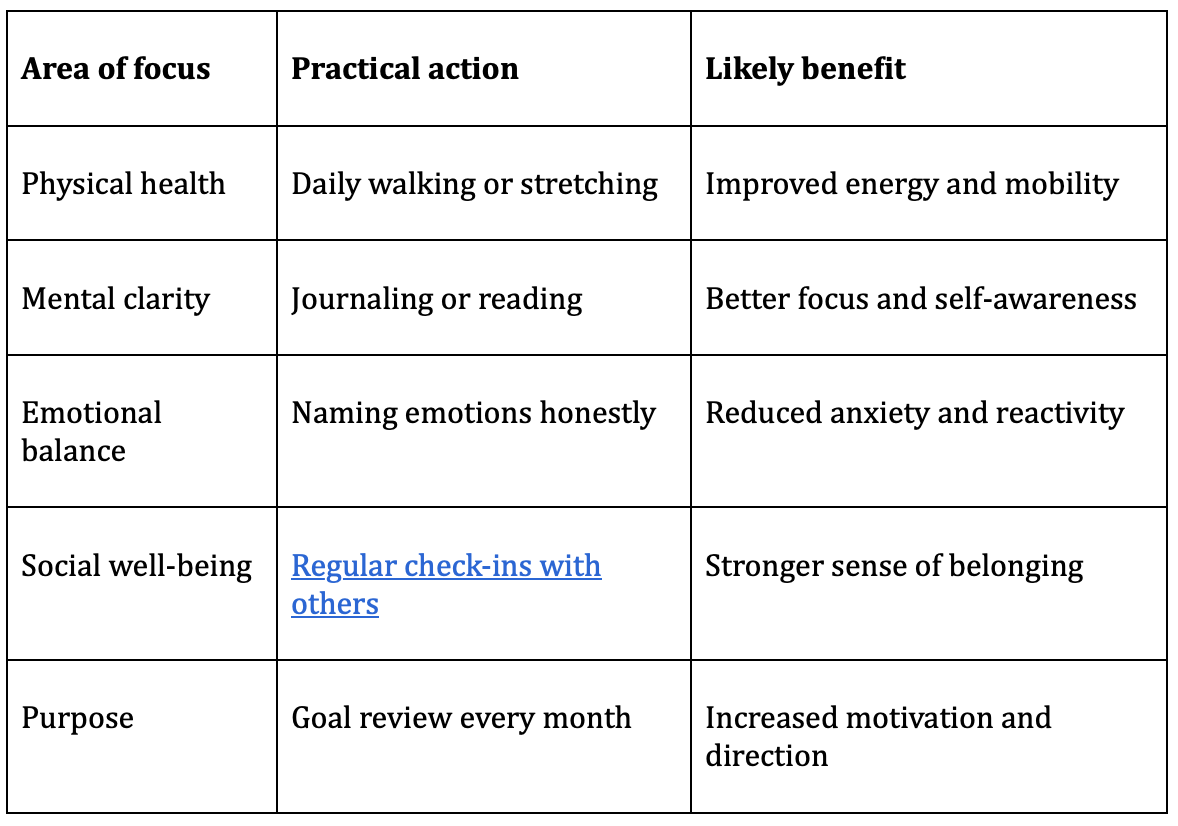
Physical care: regular movement, nutritious food, and adequate sleep
Mental fitness: reflection, learning, and stress-management skills
Emotional awareness: recognizing feelings instead of suppressing them
Social connection: maintaining relationships that are supportive and honest
Purpose and direction: knowing why your daily efforts matter
None of these stands alone. Skipping one often weakens the rest.
When work no longer fits: career change as self-improvement
One often-overlooked path to better wellness is reevaluating your career. When a job no longer aligns with your values or growth needs, motivation can erode and stress can quietly spike. Changing careers can reignite personal development, restore a sense of direction, and improve overall well-being by aligning daily work with what genuinely matters to you.
This matters even more today. Research consistently shows rising burnout and dissatisfaction across many industries. At the same time, employers increasingly prioritize external hiring rather than developing existing talent, which deepens skills gaps and limits advancement opportunities for workers. Exploring new paths—such as those outlined through resources like UoPX careers—can help individuals regain control over their growth and build a healthier relationship with work.
A simple wellness self-check
Use this quick checklist to spot gaps without overthinking it:
Weekly wellness check
I slept at least 7 hours most nights
I moved my body in a way I enjoyed
I had at least one meaningful conversation
I learned or practiced something new
I took time away from screens to reset
Unchecked boxes aren’t failures—they’re signals.
Daily abitsthat quietly make the biggest difference
Consistency beats intensity. The following habits are small but powerful when practiced regularly:
Start the day intentionally
Even five minutes of planning or reflection can reduce mental clutter.Move before you’re motivated
Motivation often follows action, not the other way around.Eat for energy, not restriction
Balanced meals support focus and mood better than extreme diets.Protect transition time
Short pauses between tasks help the nervous system reset.End the day with closure
Writing down one win or lesson reduces stress before sleep.
Wellness strategies at a glance
FAQ: common questions about self-improvement and wellness
Is self-improvement selfish?
No. Improving your well-being often makes you more patient, present, and supportive of others.
How long does it take to see results?
Some benefits, like better sleep or mood, can appear within weeks. Deeper changes take months.
Do I need to change everything at once?
Absolutely not. One or two small changes are enough to start.
What if I lose motivation?
That’s normal. Focus on systems (routines) rather than willpower.
Optimal wellness through self-improvement isn’t about fixing yourself. It’s about supporting yourself. By aligning habits, mindset, and environment, you create conditions where health and fulfilment can grow naturally. Progress may be uneven, but it’s still progress. Over time, those small choices build a life that feels stronger, calmer, and more intentional.